Static vs Dynamic QR Codes: What's the Difference (and Which Should You Use)?
QR codes are everywhere — on packaging, posters, business cards, restaurant menus. But not all QR codes are created equal. There are two types: static and dynamic. Understanding the difference can save you time, money, and a lot of headaches.
Static QR codes: simple but limited
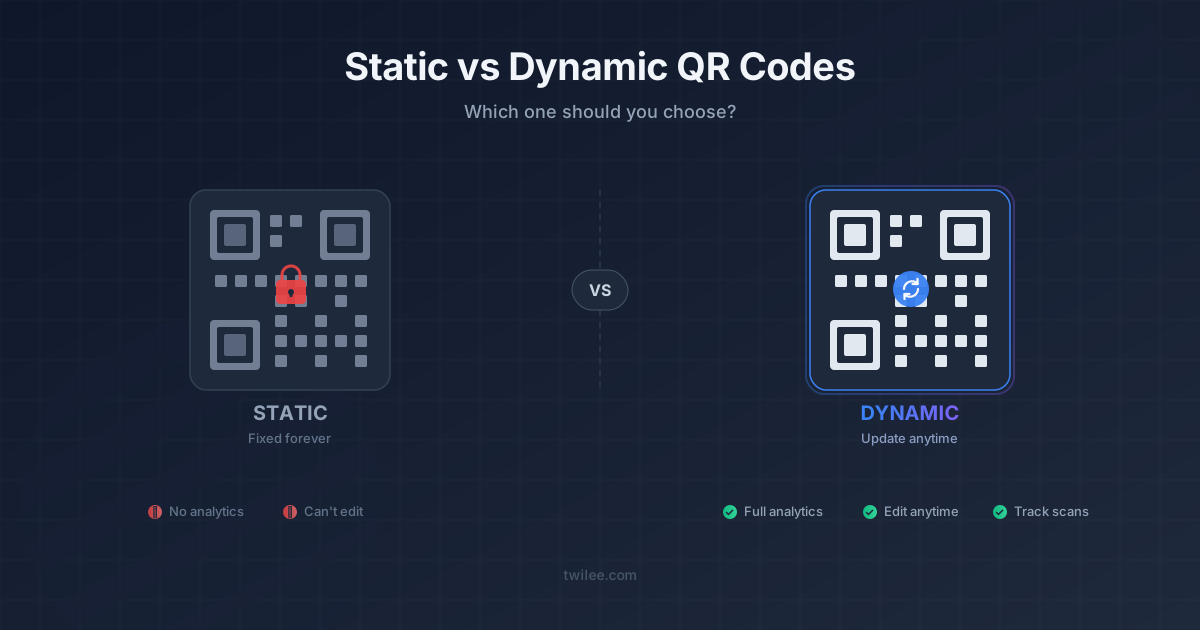
A static QR code encodes information directly into its pattern. Once generated, it cannot be changed. The destination URL, text, or data is permanently baked in.
This makes static codes perfect for one-off personal use — sharing a Wi-Fi password, linking to a fixed webpage, or printing a permanent address. They're free, they work offline, and they never expire.
The catch? If you need to change the destination, you'll have to generate a new code and reprint everything. There's also no way to track how many people scanned it, when, or where.
You can generate a free static QR code here if that's all you need.
Dynamic QR codes: the smarter choice
A dynamic QR code doesn't encode the final destination directly. Instead, it points to a short redirect URL that you control. This unlocks several powerful advantages:
- Change the destination anytime — update where your QR code points without reprinting a single sticker, flyer, or label.
- Track every scan — see how many people scanned your code, when they did it, and from which devices.
- Use rich content — link to hosted pages with events, audio, surveys, business information, and more — not just plain URLs.
- Fix mistakes — typo in your link? Wrong page? Update it instantly, no reprint needed.
For any professional or business use case, dynamic QR codes are the better choice. Whether you're running an event, managing product packaging, or setting up a marketing campaign, the ability to update and track your codes is invaluable.
When to use which?
| Static | Dynamic | |
|---|---|---|
| Edit after printing | ✕ | ✓ |
| Scan analytics | ✕ | ✓ |
| Advanced types (Event, Links, Lost & Found etc.) | ✕ | ✓ |
| Cost | Free | Included from Free plan |
| Best for | Personal, one-time use | Business, events, marketing |
The bottom line
If you just need a quick, disposable QR code, static is fine. For anything beyond that — especially if the QR code will be printed on physical materials — go dynamic. The flexibility to update content without reprinting alone makes it worth it.
Ready to create your first dynamic QR code? Sign up for free on Twilee and get started in seconds.